


A fiberglass fabric roll is bought on a short list of specifications: glass type, weight, width, weave, roll length and coating. Each one decides whether the cloth drapes, wets out and holds the temperature your job needs. This guide follows that buying order. It classifies rolls by the specification they are sold on, lists the styles to compare, and sets out what to confirm before ordering. Biaxial, unidirectional and triaxial constructions, electronics and heat-protection uses are covered in their own guides and are referenced only where they change the roll specification.
How Fiberglass Fabric Rolls Are Classified
Rolls are sold on four separate specifications, and each one answers a different question.
- Style: the catalog code, such as 3732 or 3733, which ties together weight, width, length and weave for one product.
- Weight: the mass per square meter in g/m² or the oz/yd² class. It sets how much glass each layer adds.
- Weave: plain, twill or satin, which controls drape, surface and strength pattern.
- Coating: uncoated, or coated with silicone, aluminum, PU, PVC or acrylic, which changes the surface function and often the temperature limit.
A roll is described by one choice from each. Keeping these four apart stops a buyer from mistaking a style code for a weave or a coating for a weight class.
Styles To Compare
The table lists the standard styles that appear in the product information. Confirm each entry against the data sheet before ordering.
| Style | Weight | Width | Roll Length | Weave |
| 3732 | 430 g/m² | 1.0 to 2.0 m | 50 m | Satin on the product page, broken twill on the data sheet |
| 3733 | 6 oz/yd² | 38, 50 and 60 inch | 110 yd | Plain, 18 x 18 count |
| 3784 | 880 g/m² | 1.0 to 2.0 m | 50 m | Satin |
| 7628 | 205 g/m² | 1.0 to 1.27 m | 100 m | Plain |
| 666 | 660 g/m² | 1, 1.2 and 1.5 m | 50, 100 and 500 m | Satin |
Across the full range, weights run from 260 to 1600 g/m² and thicknesses from 0.26 to 1.6 mm. Glass type is a separate choice from the style. E-glass is the usual default, and C-glass suits chemical stability where electrical insulation is not needed.
Choosing Weight, Weave And Width
 Choosing Weight, Weave And Width
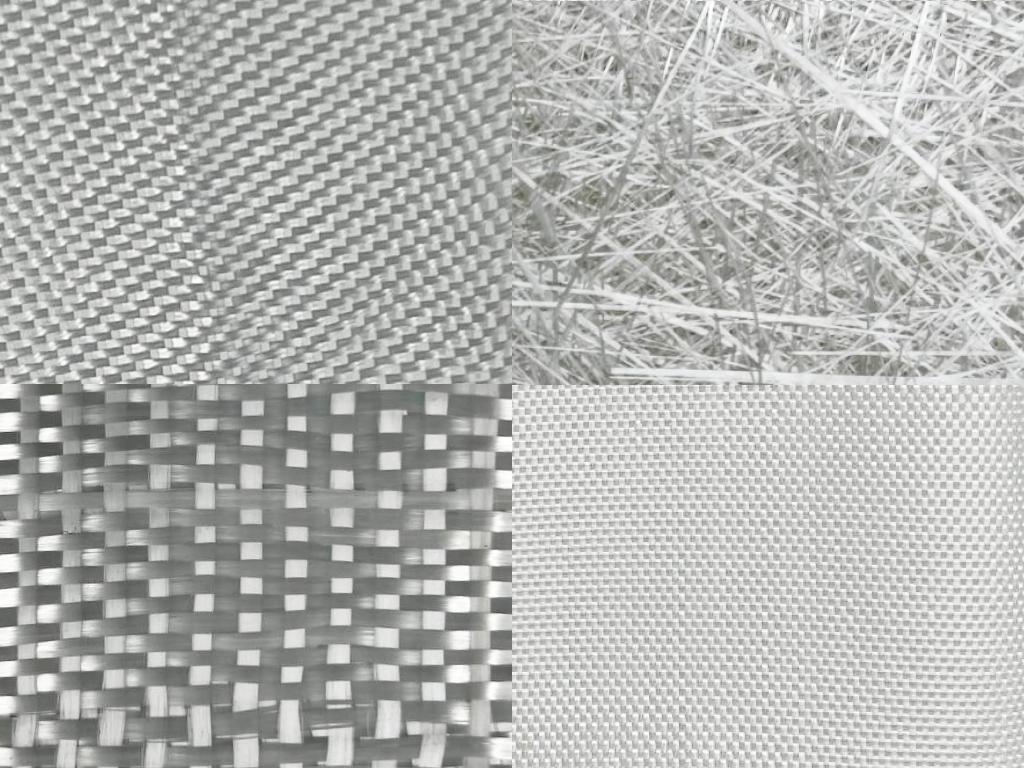
Weight decides the build. Lighter fiberglass cloth gives a smooth surface and fast wet-out, and heavier cloth builds thickness and strength in fewer layers. The 4 oz, 6 oz and 10 oz classes cover most work, so start from the target laminate thickness and pick the lightest weight that reaches it in a practical number of layers.
Weave decides drape and strength pattern. Satin conforms best to curves and is the strongest of the three basic weaves. Plain is smooth and suits large flat parts. Twill gives durability for parts that must last. Confirm the weave on the data sheet for the exact style, because the 3732 weave is listed differently on the product page and the data sheet.
Width decides waste. Pick a width close to the part dimension so that less cloth is trimmed away.
Matching The Roll To Your Application
 Matching The Roll To Your Application
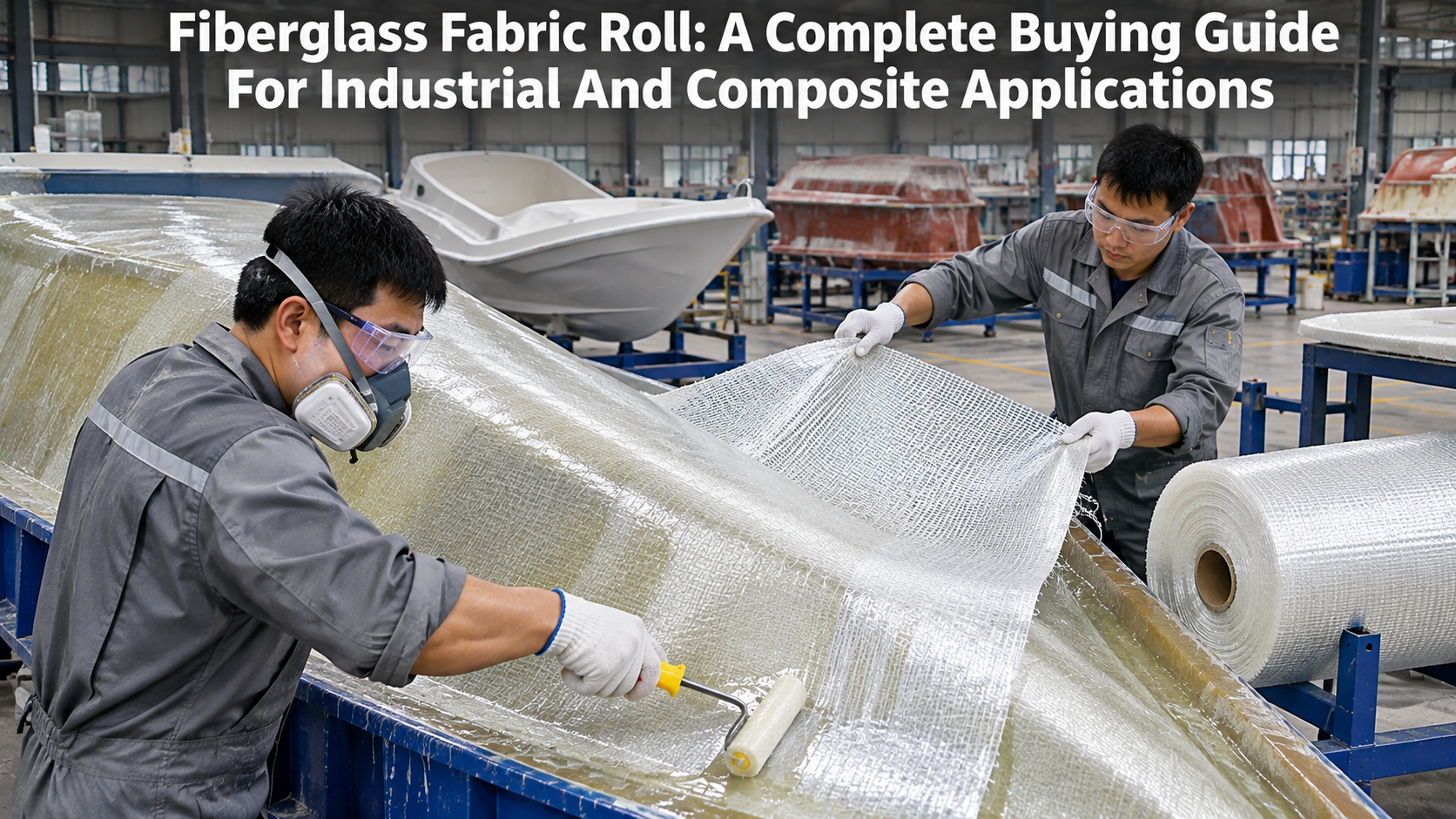
Choose the roll by the job’s dominant requirement, then check the other three specifications against it.
- Laminate with resin: a plain, satin or twill roll in the weight that reaches the thickness. Satin suits curved molds, plain suits flat panels and twill suits durable parts. Fiberglass fabric of this kind works with polyester, vinyl ester and epoxy resin when the resin ratio is controlled.
- Heat exposure: an uncoated roll only if the regular, medium silica or high silica grade covers the temperature and its time basis. Use a coated roll when the job also needs a surface function such as reflection or flame protection, with the coating’s own temperature limit checked.
- Thermal insulation of pipes: an acrylic coated roll for expansion joints and pipe insulation jackets, since the coating suits outdoor and thermal duty.
Buying Decisions For Procurement Teams
 Buying Decisions For Procurement Teams
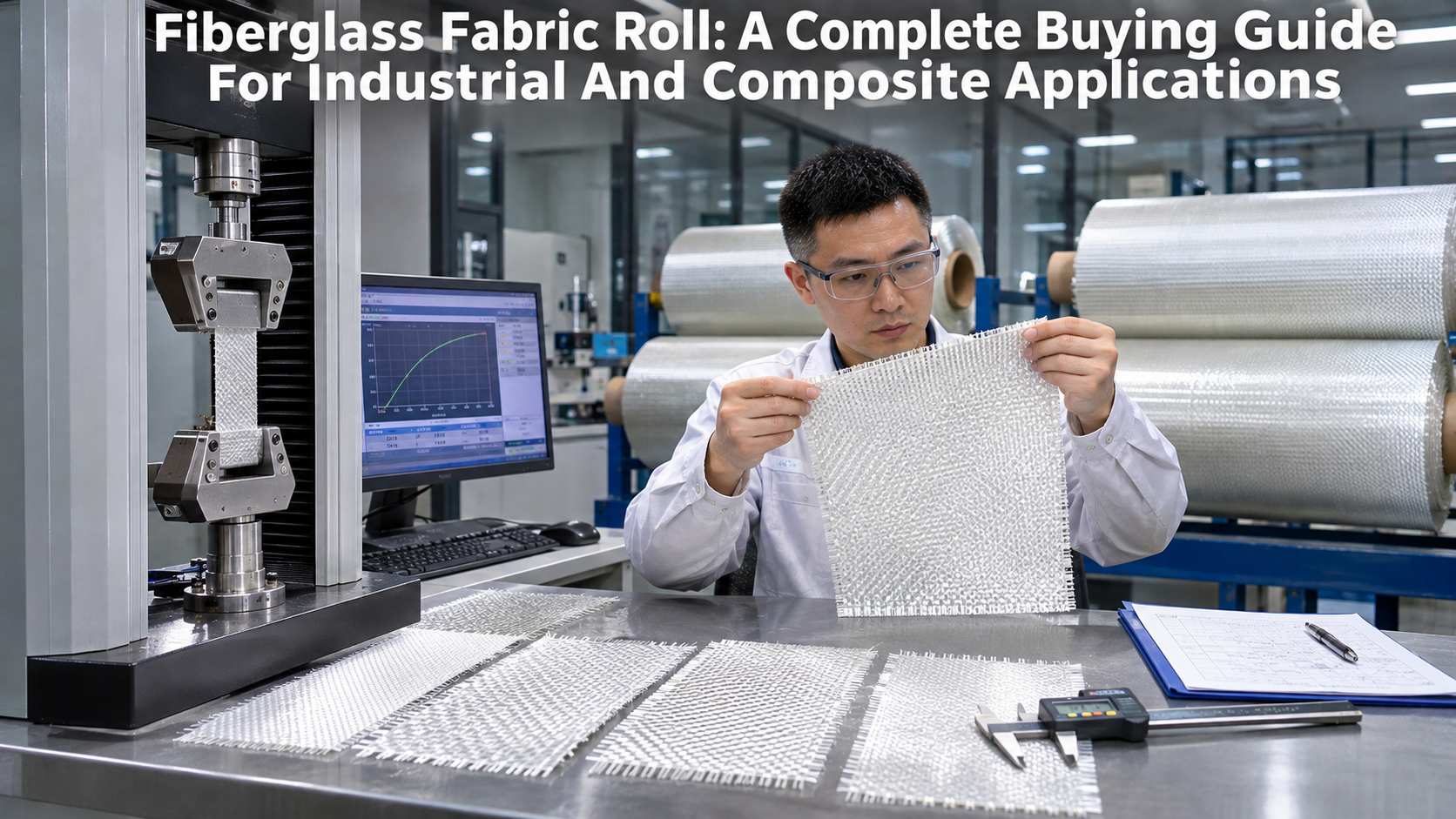
For each style, request a data sheet that lists weight with tolerance, thread count, minimum tensile strength in warp and weft, weave, and service temperature with its time basis. The 3732 sheet gives 430 g/m² ±10, warp count 18 ±1.8 per cm, weft count 13 ±1.3 per cm, minimum tensile strength of 700 N/5 cm in warp and 400 N/5 cm in weft, and a service temperature range of -120°C to 550°C. Ask for the same set for every style you buy.
ZS Fiberglass draws the glass, twists the yarn and weaves the cloth in house, so one plant controls the process from yarn to roll. Ask for batch records that trace your order back to its yarn. For industrial buyers, this matters because industrial fiberglass textile quality depends on consistent yarn, and one plant controlling both yarn and weave makes that easier to verify.
The company lists CE, RoHS, UL94 and NFPA 701 certificates, and each covers something different. CE is a manufacturer declaration, RoHS restricts hazardous substances, UL94 classifies plastic flammability and NFPA 701 tests textile flame spread. Request the report for the exact style.
Custom weight, width, length and labeling are available, and the stated warranty for fiberglass materials is one year. The lead time for raw materials is 15 days. Ask for the minimum order quantity on any custom specification, since it is not stated in the product information.
FAQs
Why Does A Fiberglass Cloth Sample Arrive Folded?
Samples are folded for shipping, while production rolls come wound on a cardboard core or tube. A folded sample shows weave and finish but not how the roll will handle on the shop floor, so judge handling from the specification and a trial cut.
Why Is The Size Removed From Fiberglass Cloth?
Size is a coating applied to the yarn to protect it during weaving. The desizing step removes it before inspection and packing. Clean glass generally helps resin bond to the composite reinforcement fabric, so a properly desized roll is the expected condition.
How Should A Fiberglass Fabric Roll Be Stored?
Keep rolls dry and clean, in their packaging until use. Moisture and dust can affect wet-out, so store them off the floor and away from damp areas. Confirm any specific guidance with the supplier.
How Much Resin Will One Roll Need?
The product information gives no consumption figure, and resin use depends on weight, weave, resin system and wet-out method. Weigh a sample of cloth, laminate a test panel and measure the resin used per square meter. Scale that figure to the roll area before you set a resin budget.


