


Choosing a fiberglass mesh tape for drywall comes down to three decisions: which variant suits the job, how wide the tape must be to cover the joint, and how heavy it should be. This guide sorts the variants by use, explains why each specification changes the result, and lists what to confirm before you order.
Matching The Variant To The Job
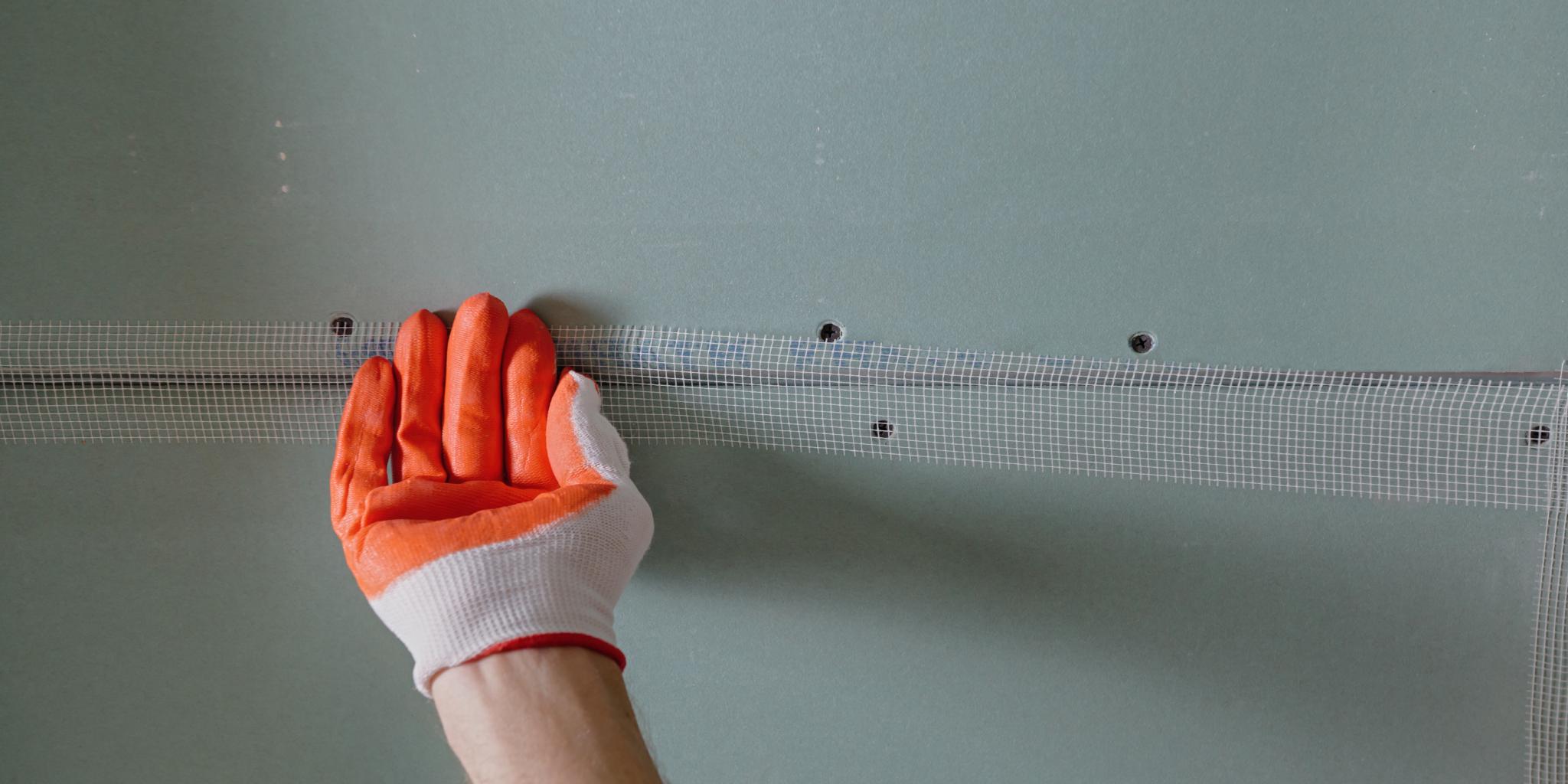 Matching The Variant To The Job
Each tape color is tied to a particular kind of work. The table shows the use each variant is meant for and the question to settle before ordering.
| Variant | Best For | Question To Settle Before Ordering |
| Standard mesh, white | Default choice for drywall joints and patches | Weight and mesh count for the joint type |
| Standard mesh, blue or yellow | Standard drywall joint work | Whether the construction differs beyond color |
| Thin mesh, yellow | Thinner seams where a slimmer build helps | Weight and finished build thickness |
| Mold resistant, green | Rooms where mold is a concern | How mold resistance is achieved and tested |
| Cement board, gray | Seams between cement board sheets | Whether the alkali specification or construction differs from drywall tape |
Cement board is a separate substrate with its own joints, which is why the gray variant is kept apart from the drywall range. Ask whether the gray tape is built differently from the drywall tape rather than assuming either way.
The green variant needs a closer look. All of the tape is described as mold resistant, and the green variant carries that label too, with no explanation of what sets it apart. Ask whether it uses a different coating or has a different test result. Until that is confirmed, choose green for rooms with a mold risk and treat any performance difference as unproven.
Where Fiberglass Mesh Tape Fits
 Where Fiberglass Mesh Tape Fits
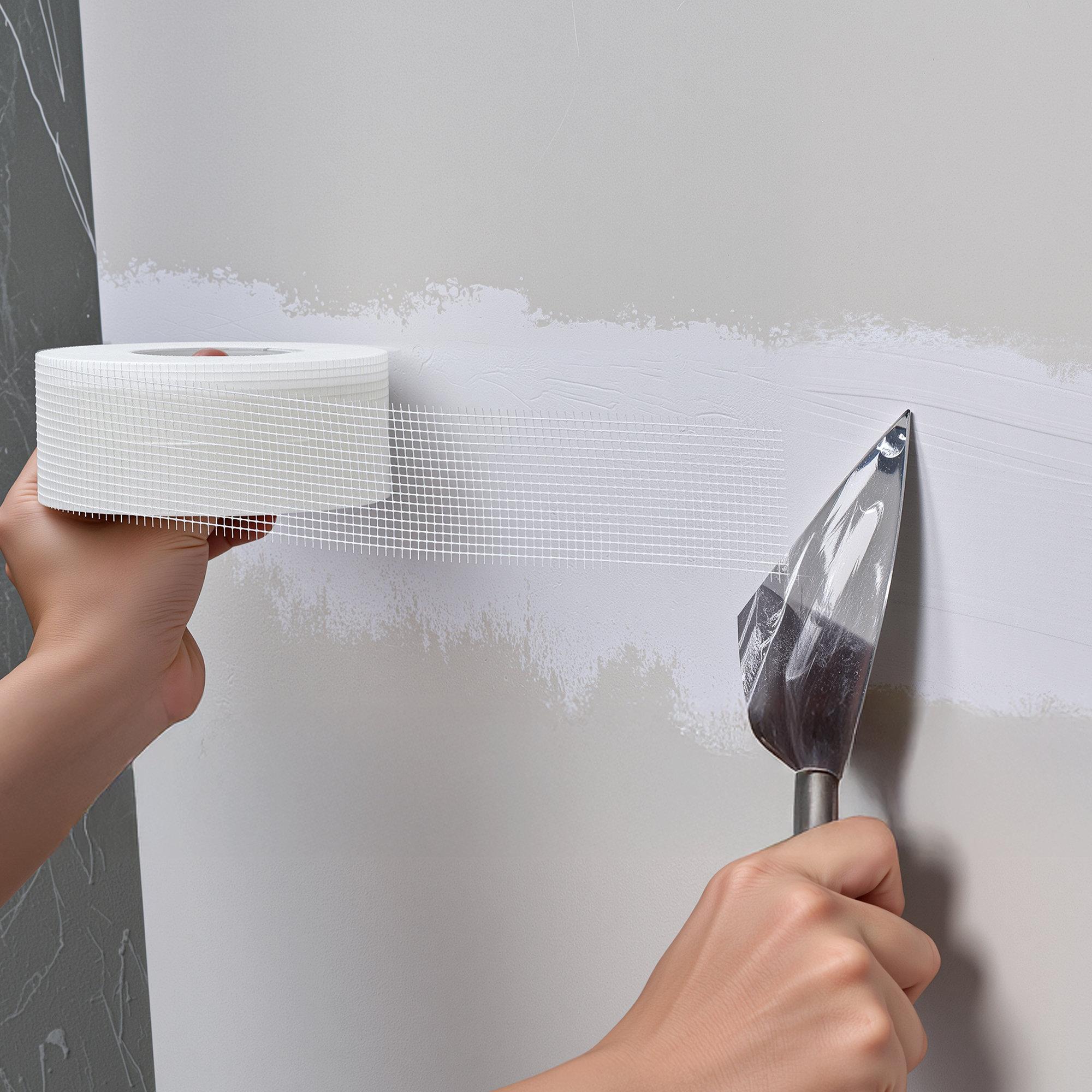
Drywall joints are the core use. The tape goes on over the joint before compound, which suits tapered seams between sheets. Patches and small repairs benefit most, since the tape goes on quickly and the repair does not wait for a bedding coat. Ceilings are another use, and the mesh is compared favorably with kraft paper for durability, resistance to breakage, moisture and mold. For cement board seams, a 2-inch width is recommended because it gives a smooth area for mortar and mastic.
The adhesive backing changes the work. The tape holds itself in place while compound goes on, so there is no embedding step. The open weave lets compound pass through and key into the surface, and the tape is alkali resistant, which suits the alkaline compounds it meets.
Choosing The Width
 Choosing The Width
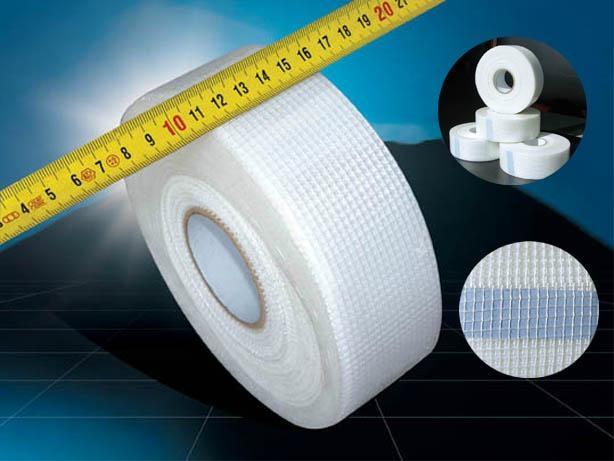
Width should cover the joint with margin on each side. The available widths are 2, 4 and 6 inches. Two inch is the default for interior joints and the width recommended for cement board seams. Four inch is listed for exterior work. The reasoning is that exterior joints see more movement and temperature change, so a wider strip spreads the bond over a larger area and gives compound more to grip. That reasoning is general practice rather than a test result.
Six inch is listed without a stated use. Choose it only when the joint or repair area is clearly wider than 4 inch, and confirm that it suits that job before ordering.
Choosing The Weight
Weight is offered as 65, 75 and 90 g/m², and 65 g/m² is the most commonly sold. Weight affects density and durability. In practice, a lighter tape gives a slimmer build at the seam, which means less compound and less risk of a visible hump. A heavier tape adds material to the seam and suits larger or more demanding repairs, where the tape has to carry more. The durability gain is not backed by published test data, so ask for test results before paying a premium for heavier tape. Choose the lightest weight that covers the job.
Choosing The Grid Size
 Choosing The Width
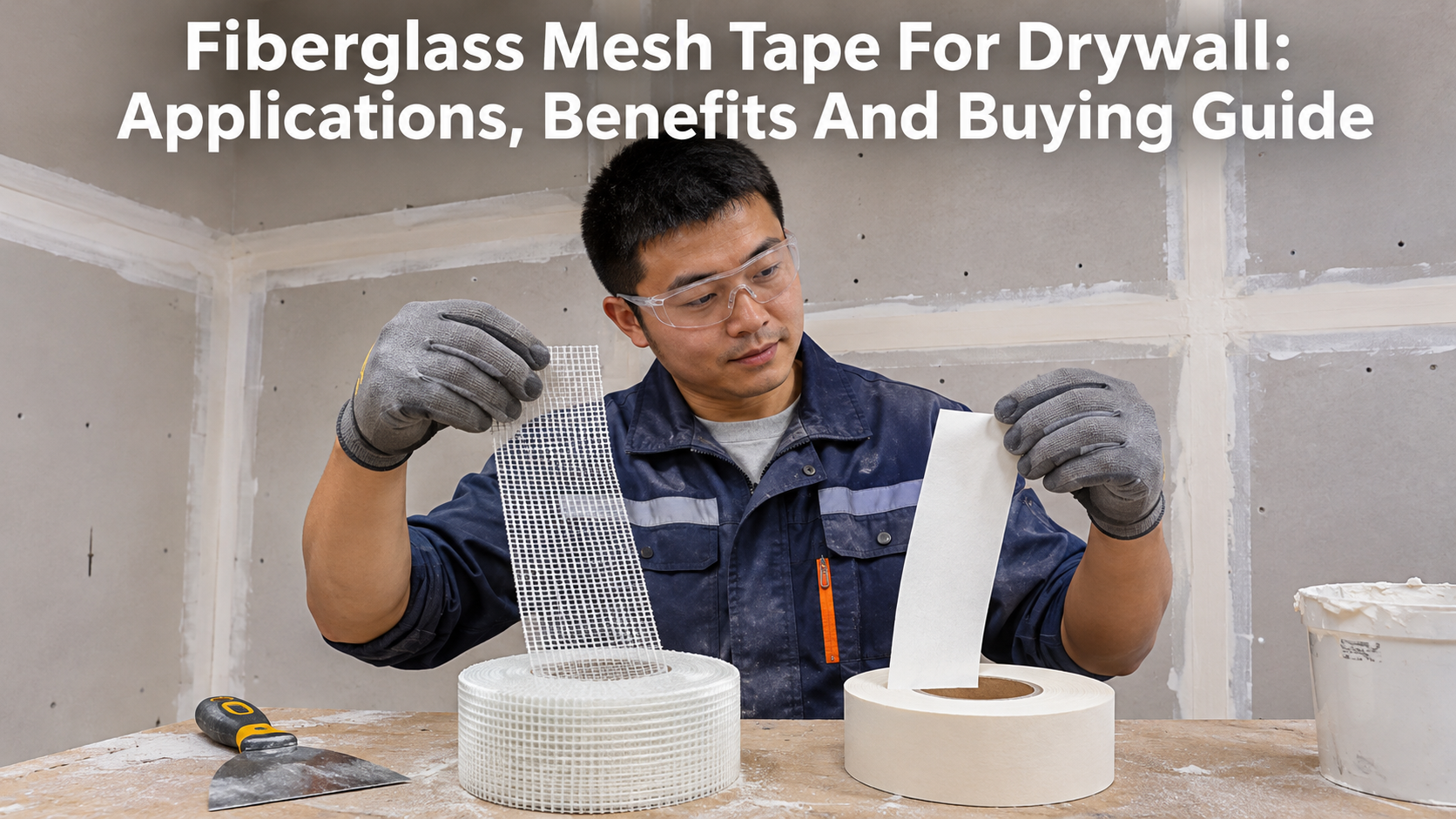
Grid options are 2.5, 2.85 and 3 mm, and 2.85 mm is the most popular, especially the 2.85 by 2.85 mm pattern. Grid size makes little difference compared with fiberglass mesh in general, so choose the grid that is stocked in the width and weight you need.
Buying Checklist
Write each order line as variant, width, weight and grid, so the quote can be checked line by line. Request a free sample and test it on your own substrate and compound, checking that the tape lies flat, that compound bonds through the openings and that the edges stay down.
ZS Fiberglass runs a dedicated mesh tape line, makes its own yarn and ships two to three containers a day. Ask for batch records and the inspection steps for your order. Confirm the minimum order quantity for any custom color, the lead time and the warranty. Compare quotes by cost per finished joint, including waste and compound, rather than price per roll.
FAQs
How Much Tape Do I Need For A Room?
Measure the total length of every joint you plan to cover, add a margin for waste and cut ends, and divide by the roll length. Calculate each width separately, since a 2-inch and a 4-inch line need different rolls.
What Roll Lengths Are Available?
Standard roll lengths are 50 m and 100 m, and custom lengths can be requested. Choose the length that matches your typical job, because a shorter roll wastes less on small repairs.
Why Does Mesh Tape Lift At The Edges?
The most common causes are dust, oil or moisture on the surface, and tape that was not pressed firmly onto the board. Clean the surface before applying the tape and press along the full length to bond it.
How Quickly Can I Get A Sample?
Free samples are available and delivery is quoted at about three days. Request the width and weight you plan to order, so the sample reflects the product you will buy.


