


A removable insulation jacket is a fitted cover that wraps a valve, flange or other fitting and comes off when the equipment needs inspection, repair or replacement. The outer fabric decides how the jacket handles heat, moisture and repeated fitting, so it is the first material decision in any design. Fiberglass Fabric for Insulation Jackets forms the cover layer that sets the jacket’s shape, temperature limit and working life. This guide builds the jacket from the outer cover inward, then sets out what a jacket manufacturer should require from a fabric supplier.
What Are Removable Insulation Jackets And Why Are They Used?
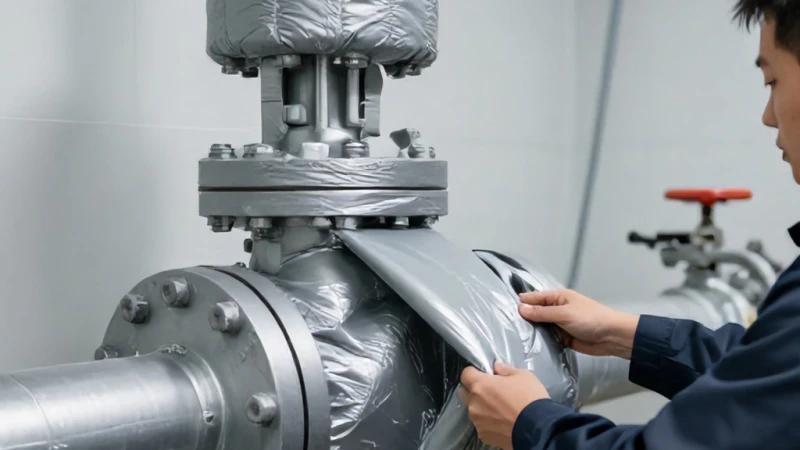 What Are Removable Insulation Jackets And Why Are They Used?
A permanent insulation layer is hard to service. Valves, pump casings and flanges need regular access for packing, gasket changes and inspection, and a removable jacket lets the insulation come off and go back on without damage. The energy case is clear. The U.S. Department of Energy’s Steam Tip Sheet #17 estimates the saving from removable covers on a 6-inch gate valve at about $368 per year, based on the fuel price and hours it assumes. The jacket also protects people from hot surfaces, but only while it stays in place and is maintained.
Components Of A Removable Insulation Jacket System
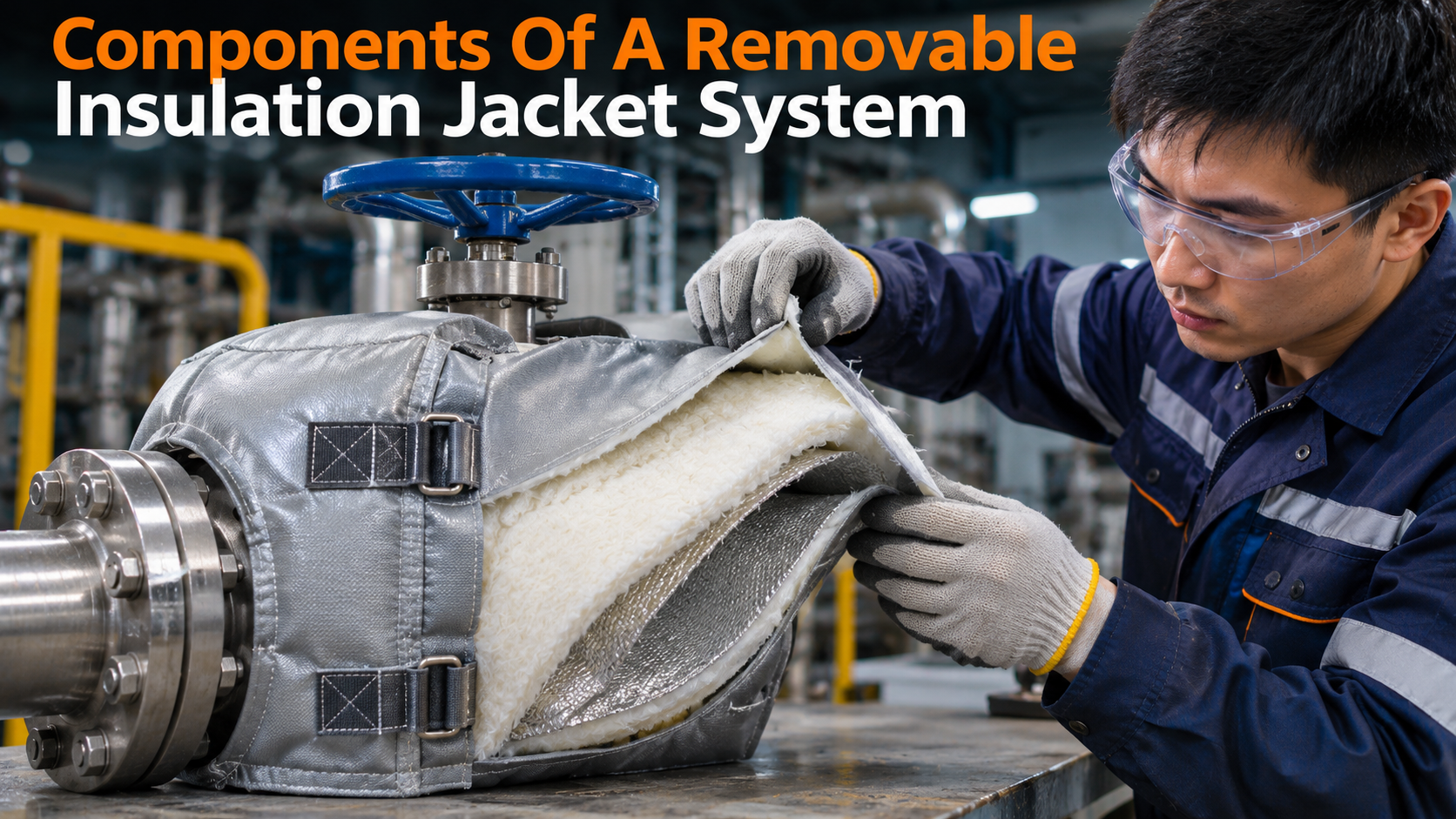 Components Of A Removable Insulation Jacket System
A jacket is a layered assembly. The outer cover resists heat, abrasion and weather, and it carries the coating that sets the temperature limit. Choosing the right Fiberglass Fabric for Insulation Jackets is the first build decision. The insulation core provides thermal and sometimes acoustic performance. The inner liner protects the core and keeps it against the equipment. The closure, usually lacing anchors and wire, stainless steel banding or sewn seams, holds the assembly in place and lets it come off.
ZS Fiberglass’s needle mat page describes a steam valve jacket built from silicone coated fiberglass cloth outside, a 12 mm ECR needle mat as the core and stainless steel reinforced fiberglass cloth inside. The results on that page are the supplier’s own and have not been independently tested, but the layer structure is a useful model. Specify each layer as its own line item, since a weak inner liner can fail even when the outer cover performs well.
Fiberglass Fabric Requirements For Jacket Outer Covers
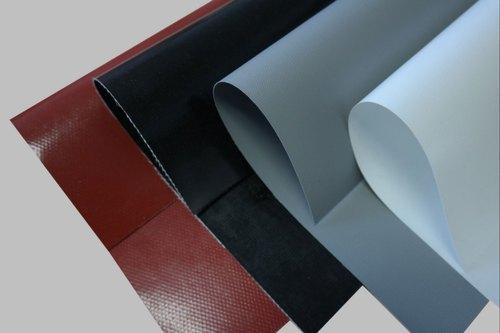 Fiberglass Fabric Requirements For Jacket Outer Covers
The outer cover sets the ceiling for the whole jacket, so read its rating carefully. Regular cloth in styles 3732, 3733 and 7628 is rated 550°C for half an hour, with an instantaneous figure of 770°C. Medium silica cloth is rated 800°C for 20 minutes, and high silica cloth 1200°C for 20 minutes. These use different time bases, so confirm whether the operating temperature is continuous or short-term.
The coating often lowers the limit. PU coating works at 260°C while the base cloth works at 537°C. Silicone coated cloth is extremely heat resistant and flame retardant. Acrylic coated cloth is heat resistant, cuts easily and is suited to insulation jackets on pipes. PVC coated cloth is flame retardant, waterproof and UV resistant, which suits outdoor covers. Aluminized cloth reflects heat from its coated side while the base cloth insulates.
Weight and weave follow. Style 7628 at 205 g/m² suits thin covers, and style 3788 at 1700 g/m² suits heavy-duty ones. Satin weave conforms best to curved valve bodies.
Fabric Flexibility, Stitching Compatibility And Dimensional Stability
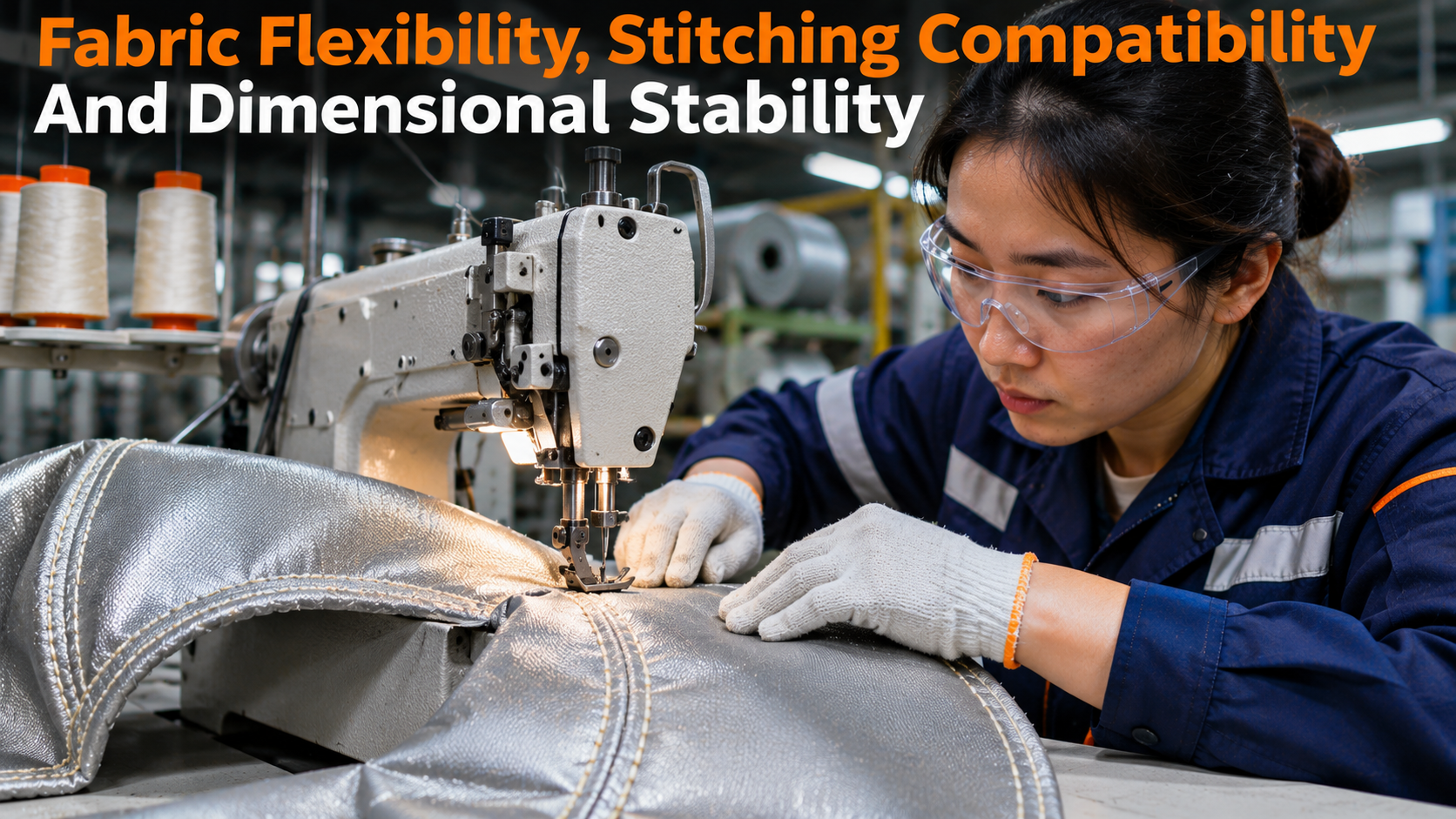 Fabric Flexibility, Stitching Compatibility And Dimensional Stability
Flexibility decides whether a cover wraps a valve body without bridging its curves. For Fiberglass Fabric for Insulation Jackets on contoured parts, satin weave is the better fit. The cloth can be cut, sewn and bonded, which lets a manufacturer build closures into the cover.
Stitching depends on strength in both directions. For style 3732, the data sheet gives minimum tensile strength of 700 N/5 cm in warp and 400 N/5 cm in weft, so place seams so the main load runs along the warp where possible. The needle mat page recommends high-temperature thread such as aramid or stainless steel for sewn jackets, and the thread must match the cover’s temperature.
Dimensional stability keeps the jacket fitting after repeated removal. The 3732 data sheet gives thread counts of 18 ±1.8 per cm in warp and 13 ±1.3 per cm in weft, so a manufacturer can predict how the cloth will behave in each direction.
Applications In Valves, Pipes, Flanges, Pumps And Industrial Equipment
Valves are the most common application, since a removable cover lets packing be adjusted without stripping the insulation. Flanges and joints come next, because gasket changes happen there and the jacket must come off and go back on without tearing. Pipe insulation jackets also cut heat loss from steam lines. The fabric is described for insulation on valves, flanges, steam pipelines, joints and containers, so those uses are the starting point. Pumps and other equipment with casings that must be opened for service follow the same access logic, but the product information does not describe pump jackets, so the temperature and access check comes first. Design around the access points, not the largest surface area.
Design Considerations For Reusable Insulation Jackets
A reusable jacket must be designed for removal from the start. Make the closure reachable without tools where possible, and keep seams away from the points lifted most often. Lacing anchors, stainless steel banding and sewn closures suit different surfaces, so choose the method before cutting the cover.
Corners, closure edges and areas near hot surfaces wear fastest, so reinforce them with heavier cloth or an inner layer. Where moisture is present, a PVC or silicone coating reduces wear, provided the coating suits the surface temperature. Mark the reflective face of aluminized cloth on the cut pattern so the coated side faces the heat source at every assembly. Check the cover against how often the jacket will be opened, because reuse depends on the outer layer surviving each removal. A jacket built from Fiberglass Fabric for Insulation Jackets should be tested through a few removal cycles before it goes into service.
Material Sourcing Requirements For Insulation Jacket Manufacturers
Sourcing decides whether every jacket is built to the same standard. A manufacturer buying Fiberglass Fabric for Insulation Jackets should request a data sheet for each cover style listing weight with tolerance, thread count, tensile strength in warp and weft, weave and service temperature with its time basis. The 3732 sheet is a good model, and the test conditions behind each temperature figure should be requested too.
ZS Fiberglass draws the glass, twists the yarn and weaves the cloth in house, so one plant controls the process from yarn to roll. Ask for batch records that trace your order back to its yarn, so a jacket built from one lot can be matched to the next. Customization of weight, width, length and labeling is offered, the warranty on fiberglass materials is one year, and the raw material lead time is 15 days. New customers pay 30 percent deposit and 70 percent before loading. Confirm the minimum order quantity for any custom specification, since it is not stated. Then build a trial jacket on a real valve or pipe section from a free sample before committing to volume.
FAQs
Can A Removable Jacket Be Washed After Use?
Silicone coated and PVC coated covers are easier to clean than uncoated cloth, since the coating resists dirt and oil. Test any cleaning method on a sample first, because harsh chemicals can damage the coating.
How Much Overlap Should A Jacket Seam Have?
No overlap figure is published for these jackets. Follow the design standard your project uses, and confirm the seam allowance with the manufacturer before cutting production material.
How Often Should A Removable Jacket Be Inspected?
Check jackets at each maintenance cycle for tears, loose closures, displaced layers and wet areas. Replace any cover that has lost its shape or shows damage at the closures.
Can A Stitched Seam Be Repaired In The Field?
Small seam failures can often be re-stitched on site with the same high-temperature thread. A seam that has failed along its full length usually means the cover needs replacing.


