


Every hour a hot pipe, boiler or valve runs uninsulated, heat escapes into the surrounding air and fuel is spent replacing it. A thermal insulation system has to slow that loss, survive the operating temperature and chemistry, and still allow equipment to be inspected or removed. Fiberglass for industrial thermal insulation is widely used because its fiber structure traps air, its glass chemistry resists heat and many corrosive conditions, and its forms can be cut and fitted to irregular equipment. ZS Fiberglass supplies the cloth and needle mat used in these systems, so the guidance below draws on that range.
How Fiberglass Insulation Reduces Heat Transfer And Energy Loss
 How Fiberglass Insulation Reduces Heat Transfer And Energy Loss
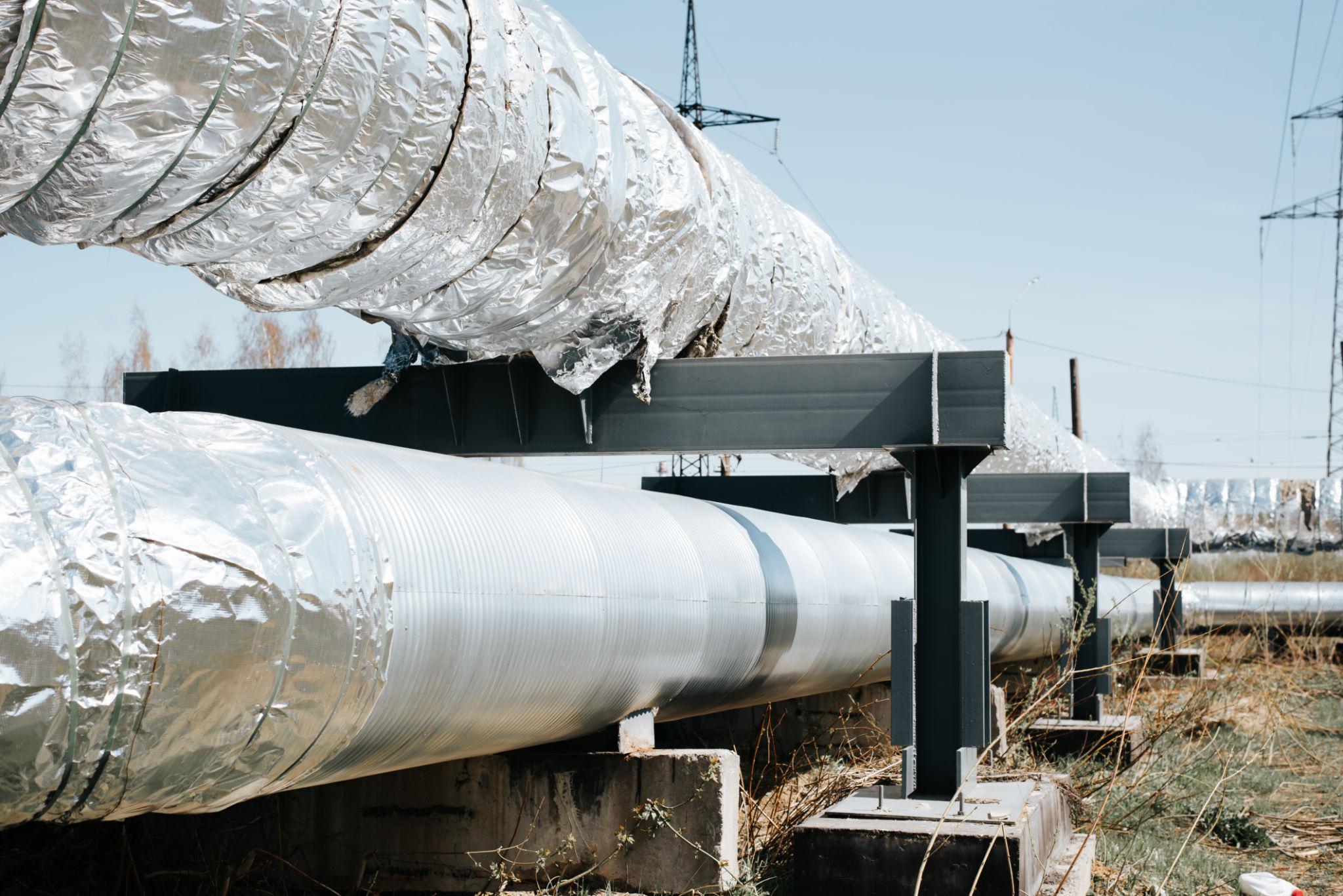
Heat leaves a hot surface by conduction, convection and radiation. Fiberglass for industrial thermal insulation works mainly on the first two. Its fine fiber network holds many small pockets of still air, and still air conducts heat poorly, which slows heat through the material and cuts convection inside it. Needle mat holds this structure through mechanical needling rather than a binder, and aluminized cloth adds a reflective face that limits radiant loss.
The energy cost of leaving equipment bare is often underestimated. The U.S. Department of Energy’s Steam Tip Sheet #2 describes uninsulated steam distribution and condensate return lines as a constant source of energy loss. Steam Tip Sheet #17 applies the same reasoning to valves, where removable insulation covers recover measurable heat at each fitting.
Thickness determines the economics. ASHRAE’s guidance on mechanical insulation defines economic thickness as the thickness that minimizes total life-cycle cost, combining the installed cost of the insulation with the value of the energy it saves over its service life. Beyond that point, extra thickness costs more than it returns. Choosing insulation by the cheapest price per meter is therefore a poor method, so calculate thickness from fuel cost, operating hours and the surface temperature you need to reach.
Applications In Industrial Pipelines, Boilers, Machinery And Processing Equipment
 Applications In Industrial Pipelines, Boilers, Machinery And Processing Equipment
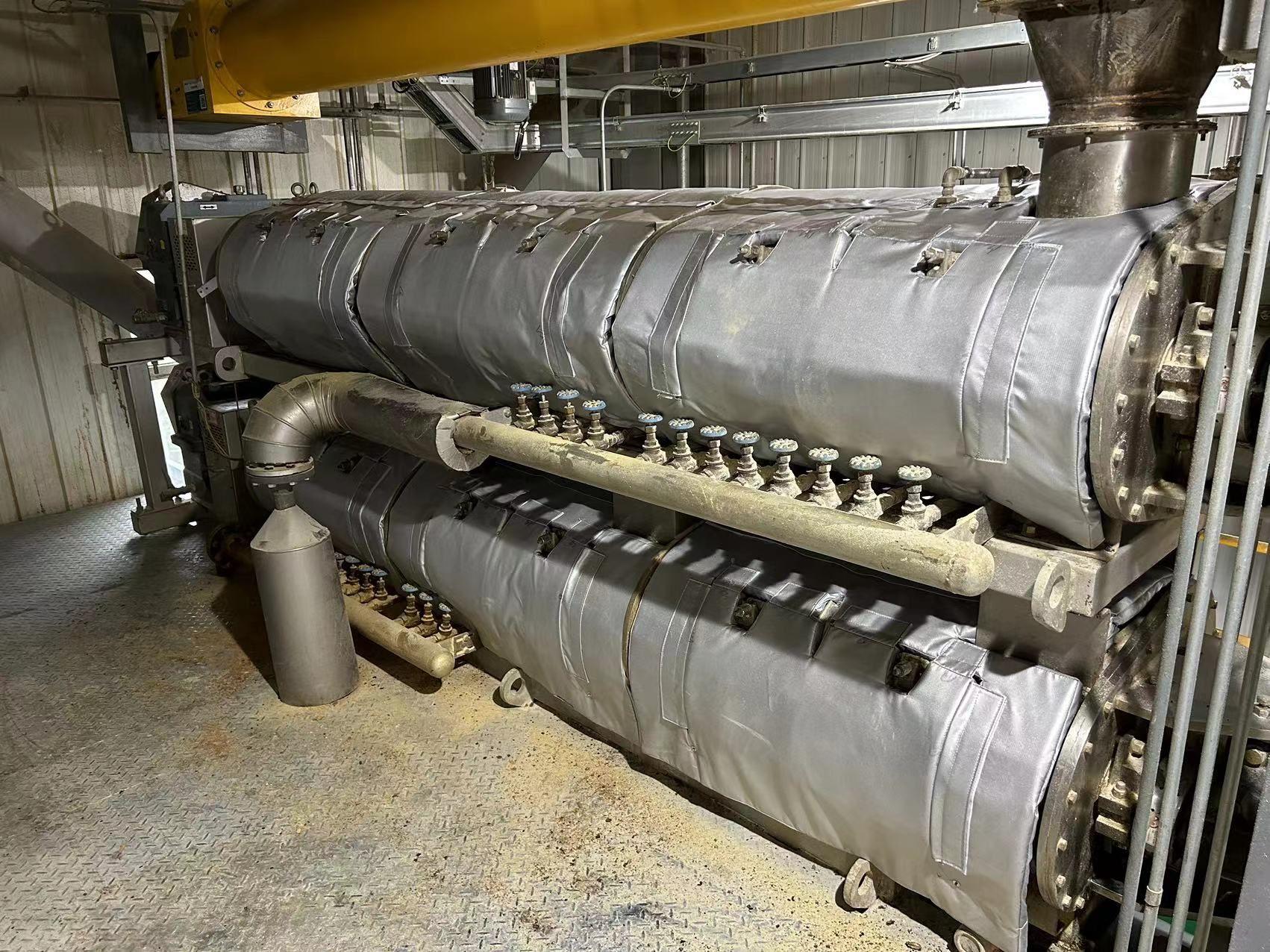
Pipelines are the largest use of fiberglass for industrial thermal insulation. Pipe insulation jackets reduce heat loss from valves, flanges, steam lines and joints, and the air pocket that forms inside an installed jacket adds to the effect. Acrylic coated cloth is used for expansion joints and pipe insulation jackets because the coating is heat resistant and the cloth cuts easily on site.
Boilers and processing equipment run hotter and often need a higher-grade material. High-silica needle mat is rated for continuous use at 1000°C, and ECR glass needle mat is described for industrial chimneys and flues where acidic condensation is present.
Machinery combines heat and noise. Generators, engine exhaust systems and enclosures can be lined with needle mat for both thermal and acoustic control. One supplier case reports a 15 dB reduction at one meter from a generator enclosure lined with high-density needle mat. That figure comes from a single supplier example, so the buyer should verify it with their own measurement.
Different Forms Of Fiberglass Insulation Used In Industrial Systems
 Different Forms Of Fiberglass Insulation Used In Industrial Systems
The form follows the shape of the equipment and whether the insulation must come off for maintenance. The fiber grade is chosen separately, according to the temperature and chemistry covered in the next section. Systems built with fiberglass for industrial thermal insulation typically use one or more of the forms below.
| Form | Structure | Suited To |
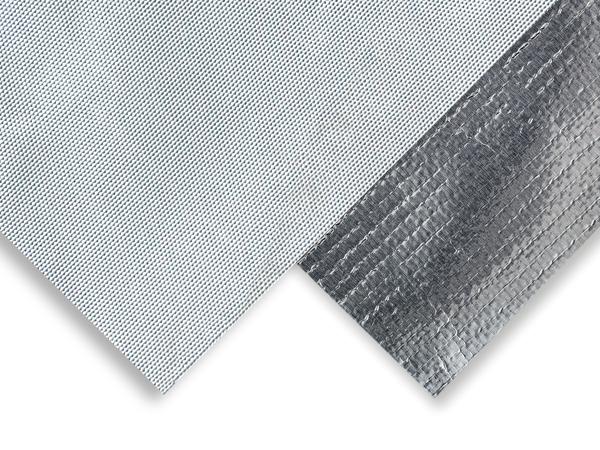
| Coated fiberglass cloth | Woven cloth with silicone, aluminum or acrylic coating | Jackets, wraps and covers on pipes and valves |
| Uncoated fiberglass cloth | Woven cloth such as styles 3732 and 3733 | Covers where the base cloth’s temperature rating is sufficient |
| Needle mat | Binder-free needled fibers, 3 to 25 mm thick | Thermal and acoustic layers on equipment |
Removable covers are built from these materials, so the fabric and mat are specified first and the cover is designed around them.
Thermal Insulation System Requirements Based On Operating Conditions
 Thermal Insulation System Requirements Based On Operating Conditions
Operating conditions set the grade for fiberglass for industrial thermal insulation, starting with temperature and how long it is held. E-glass needle mat is rated for continuous use up to about 600°C. ECR glass, HR and S glass, and high-silica needle mat are listed at higher temperatures, with high-silica rated to 1000°C for continuous use. Basalt needle mat covers -260°C to 750°C, which makes it suitable for both cryogenic and hot lines. Confirm with the supplier whether each higher figure is continuous or a peak, since the product information does not state it for every grade.
Next, check the chemistry. Acidic condensation and corrosive fumes move the choice to ECR glass. Basalt is listed for low moisture absorption, which matters in wet service. Finally, consider access and mechanical load. Equipment that is opened often needs a removable cover, and an inner layer of stainless steel reinforced fiberglass cloth is used in one supplier example to add mechanical strength to the cover.
How Engineers Evaluate Fiberglass Insulation For Industrial Applications
Engineers assessing fiberglass for industrial thermal insulation work through three stages. The thermal case sets the operating temperature, the surface temperature to be reached and the economic thickness. The material check covers the continuous temperature rating and its time basis, chemical resistance and any coating limit. The installation check covers how the system is fixed, sealed and protected.
Installation needs its own planning. Insulation is secured with lacing anchors and wire, stainless steel banding or high-temperature sewn jackets, and the method should suit both the surface and the removal plan. Cutting fiberglass requires gloves, eye protection and a dust mask, because loose fibers irritate skin and airways.
A buyer sourcing fiberglass for industrial thermal insulation should write each order line by system: the surface, the operating temperature and how long it is held, the chemical exposure, the thickness and the form. This lets the supplier quote the correct fiber and layer count without guesswork. ZS Fiberglass lists CE, UL, TUV, ISO9001, RoHS, BSI and EN 13501 certificates, so ask for the report that matches the exact product and temperature rating. Request a free A4 sample and test it at the expected surface temperature. Confirm the minimum order quantity for any custom build, the lead time and the one-year warranty on fiberglass materials, and ask for the continuous service rating in writing, since a short-exposure figure does not show how insulation behaves over years of operation.
FAQs
Does Fiberglass Insulation Give Off Smoke Or Odor When It Heats Up?
Needle mat is made without an organic binder, so it is stated not to produce smoke or odor at high temperature. That matters in occupied buildings, but the test report for the exact product should confirm it.
Does Insulation Need Protection From Moisture?
The coated cloth options provide a surface layer that resists water, and basalt needle mat has low moisture absorption. Wet insulation loses performance, so seal and jacket any section exposed to water.
How Should Installed Insulation Be Checked?
Inspect it at regular intervals for tears, displaced jackets and wet patches, especially at valves and flanges, where it is handled most. Replace damaged sections rather than patching a section that has lost its shape.
How Long Should Industrial Insulation Last?
Service life depends on temperature, mechanical stress, moisture and maintenance, so no fixed figure fits every system. Compare the written warranty and supplier test data against your own operating history.


