


A screen door takes more daily stress than any window screen. It is pushed, pulled, leaned on and sometimes clawed by pets, so the buying decision depends on how the mesh is built and how it fails, not only on insect control. This guide is for buyers sourcing fiberglass screen door mesh for replacement or supply. It sorts the product types by structure and performance, matches each type to a door, and sets out the specification and checks to complete before ordering.
Fiberglass Screen Door Mesh Product Types
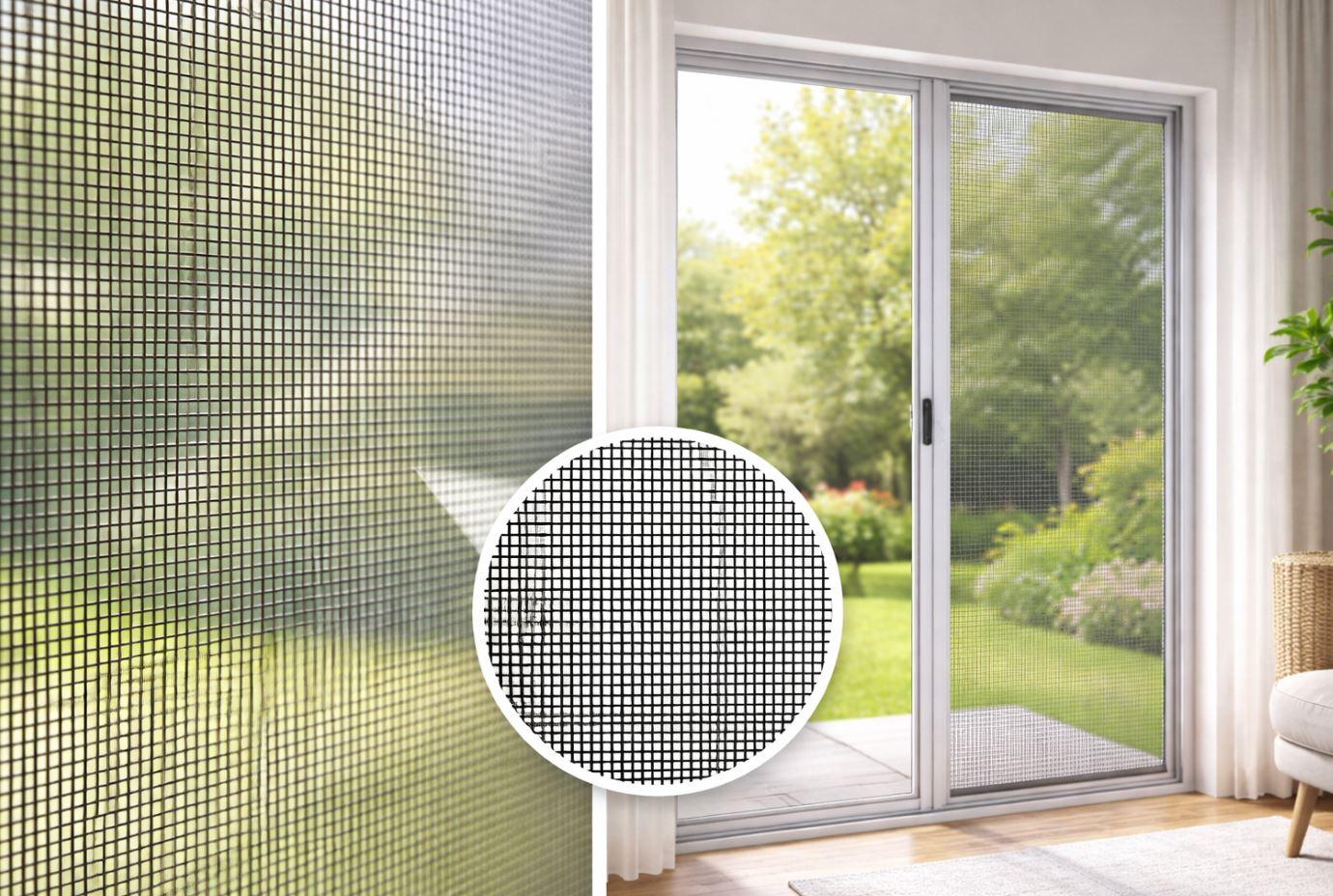 Fiberglass Screen Door Mesh Product Types
Door mesh falls into three practical types. The difference is the structure of the yarn and coating, and that structure decides how the mesh handles repeated use.
Standard fiberglass door mesh: This is woven fiberglass yarn with a PVC coating, in the common 18 x 16 count. It is flexible, cuts cleanly, resists rust and corrosion, and suits hinged doors with moderate use.
Fine-count fiberglass door mesh: This has a denser weave than 18 x 16 and stops smaller insects, including biting midges. The trade-off is less airflow and slightly less visibility. Confirm whether a finer count is available for doors before you list it as an option.
Pet-resistant door mesh: This is a heavier construction, usually vinyl coated polyester rather than glass, designed to resist scratching and tearing from pets. It is stronger and more elastic than standard fiberglass, with slightly lower visibility and a higher price. Confirm availability and specification with the supplier before listing it.
| Type | Structure | Performance | Best Door |
| Standard fiberglass | PVC coated fiberglass yarn, 18 x 16 | Flexible, good visibility, moderate tear resistance | Hinged doors with regular use |
| Fine-count fiberglass | Denser weave, finer than 18 x 16 | Smaller openings, less airflow | Doors where midges or very small insects are a problem |
| Pet-resistant | Heavier coated polyester | Strong tear resistance, lower visibility | Doors used by pets or children |
Matching The Mesh To The Door Design
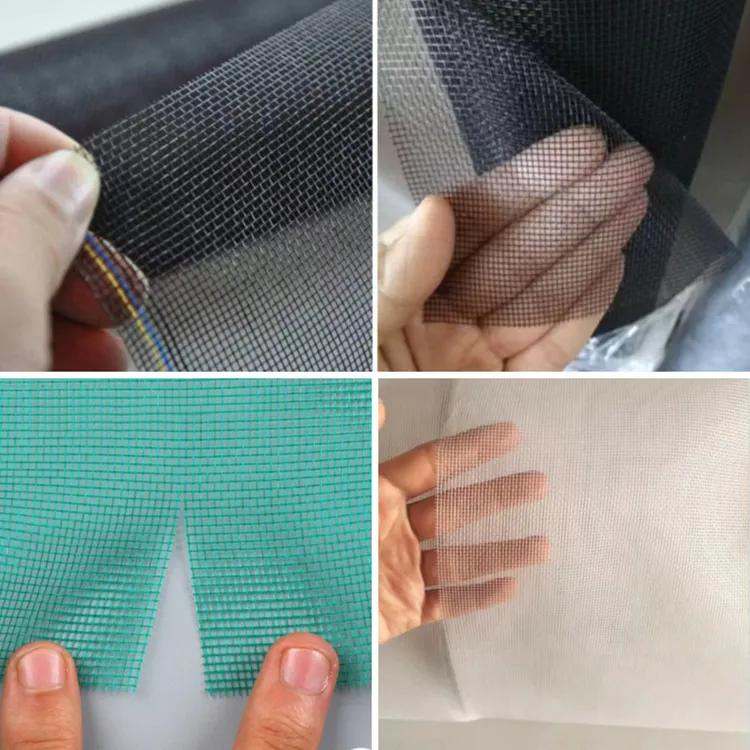 Fiberglass Screen Door Mesh Product Types
Hinged doors flex at the hinge edge and take repeated pushing, so the mesh needs good corner and edge strength. Sliding doors move along a track and rub against the frame, which makes abrasion resistance more important. Magnetic screen doors close with a snap, so the mesh should be chosen together with the door assembly, since the installation design decides which mesh and fixing suit. In every case, confirm the frame is compatible before cutting material.
Performance Specification For Door Mesh
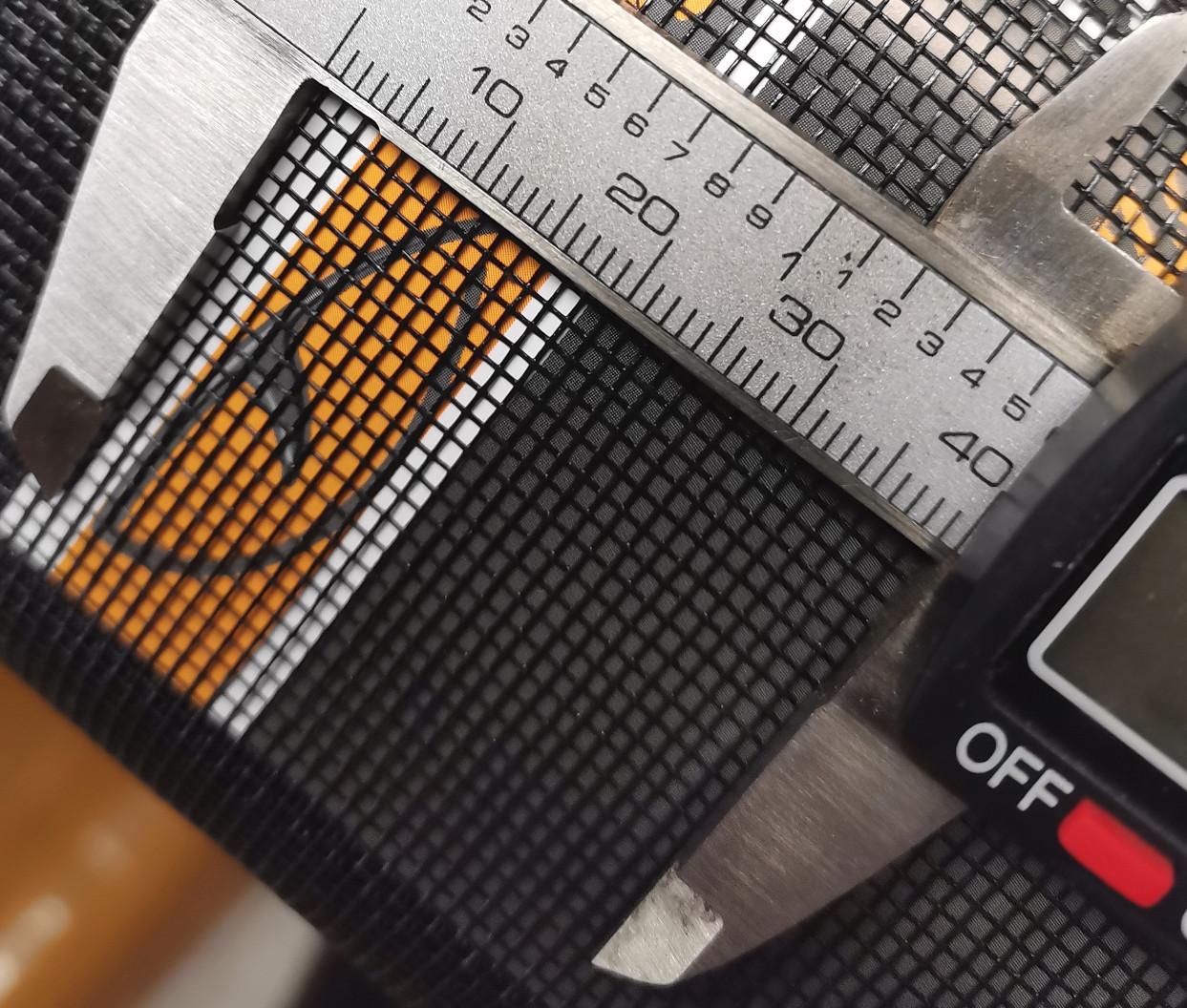 Performance Specification For Door Mesh
Door mesh is judged on a few measurable properties, and each should appear on the data sheet. Mesh count sets the opening size and therefore insect exclusion and airflow. Breaking strength in both directions shows how the mesh resists tearing once a corner is caught. GSM and yarn diameter indicate how heavy and tough the mesh is, and the coating affects flexibility and weather resistance. Ask for each value with its tolerance and test method, so you can compare two quotes on the same basis.
For door use, breaking strength matters more than the count. A dense mesh that tears at the handle corner will fail sooner than a standard mesh with better tear resistance.
Width, Roll Length And Color For Doors
 Width, Roll Length And Color For Doors
Choose the roll width from the frame opening, plus a cutting allowance on every side. ZS Fiberglass lists widths of 48, 60, 72 and 96 inches, with custom widths up to 3.2 m. A door opening up to about 48 inches wide fits the 48 inch roll. Ask the supplier for its recommended allowance, since it varies with the frame. Rolls run up to 1,500 m, which suits a buyer supplying several door sizes from one order. Standard colors are gray, white, black, charcoal and silver, and custom colors need a minimum of 1,500 m.
Before You Order: Door Mesh Checklist
Request a free A4 sample and test it on a real door frame before approving bulk production. Confirm mesh count, breaking strength with its test method, GSM and color and width tolerances in writing. Ask which of the listed certificates apply to the door mesh, and request the reports. ZS Fiberglass lists a 15-day lead time for fiberglass raw materials, a one-year warranty and payment terms of 30 percent deposit with 70 percent before loading for new customers. Ask for batch records so that replacement rolls match the sample you approved.
FAQs
1.Where Does A Screen Door Usually Tear First?
Tears usually start at the corners and along the edge where the spline sits, because the mesh is pulled and stressed there most. Check those points first when comparing samples.
2.Should I Replace The Whole Screen Or Only The Mesh?
If the frame is straight and the spline is intact, replacing the mesh alone is usually enough. A bent frame or worn spline should be fixed first, or the new mesh will not sit flat.
3.Why Does A Door Screen Sag Or Bulge?
Sagging usually comes from mesh that was not tensioned properly during fitting, or from mesh too light for the frame’s size. Check tension during fitting and compare the breaking strength of the mesh against the door’s size.
4.Can A Torn Door Screen Be Patched?
Small tears can be patched, but repeated tearing around the same corner means the mesh is undersized for the door’s use. In that case, a stronger product type is a better long-term choice than patching.


